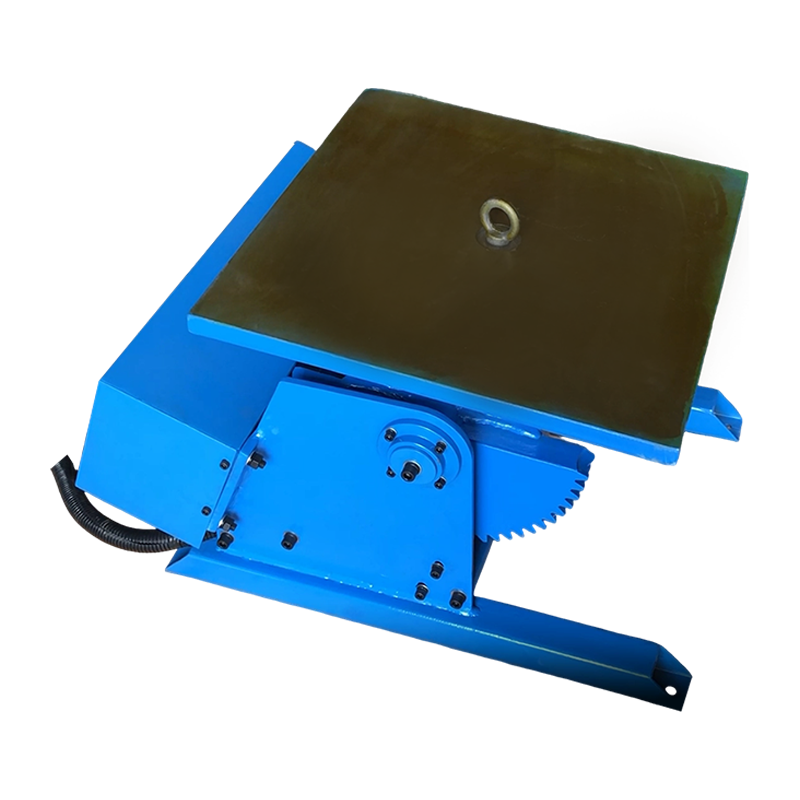
Positioner Pengelasan Konvensional 5T
Positioner Pengelasan Konvensional 5T adalah positioner pengelasan tugas bera...

Welding positioner telah banyak diterapkan di industri manufaktur mesin. Welding positioner dapat meningkatkan efisiensi pengelasan, pemolesan, atau penyemprotan secara signifikan karena dapat menyesuaikan postur produk Anda secara bertahap. Pekerja atau robot dapat melakukan pekerjaan dalam posisi yang lebih nyaman, yang berarti kualitas pekerjaan lebih baik. Positioner pengelasan yang diproduksi oleh WeldNice menawarkan struktur canggih, fungsi lengkap, pengoperasian mudah, dan memberikan jaminan yang dapat diandalkan untuk meningkatkan kualitas produk.
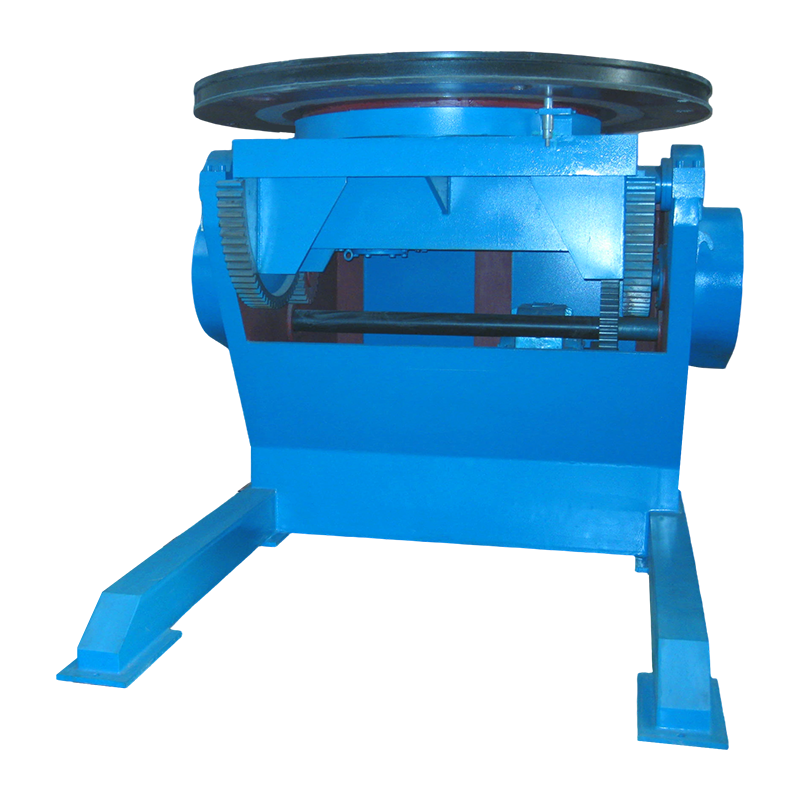
Positioner Pengelasan Konvensional 5T adalah positioner pengelasan tugas bera...
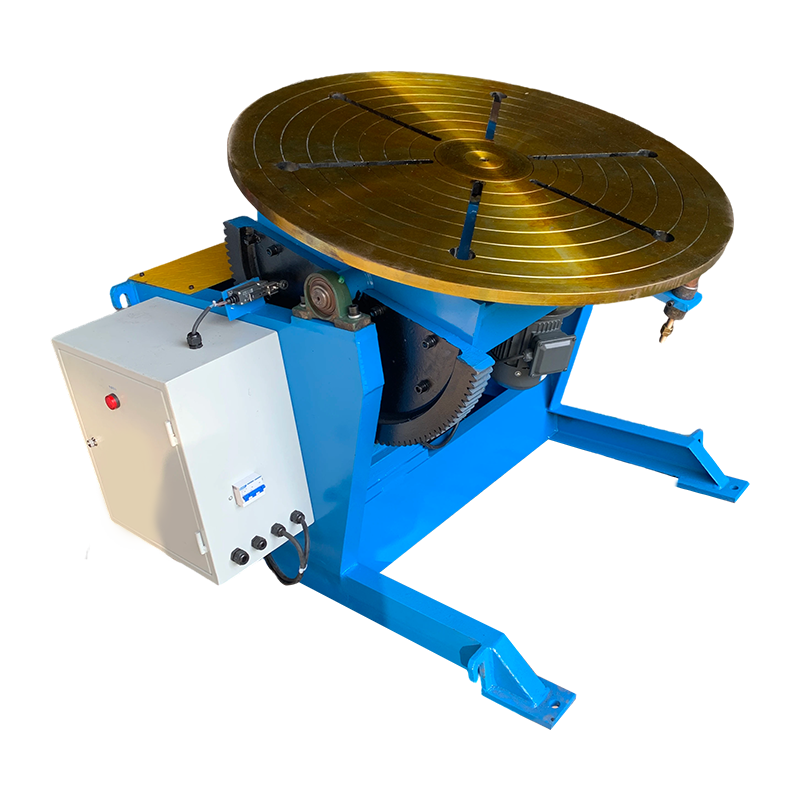
Conventional Welding Positioner 600kg adalah perangkat yang digunakan untuk m...
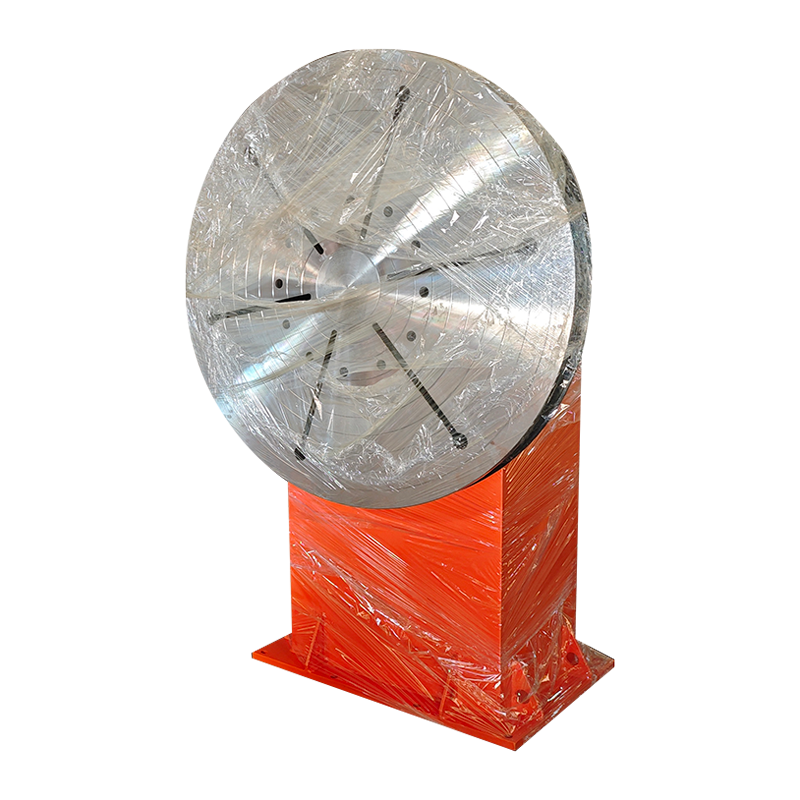
Positioner Pengelasan Kolom Ganda 2T adalah perangkat pemosisian yang diranca...
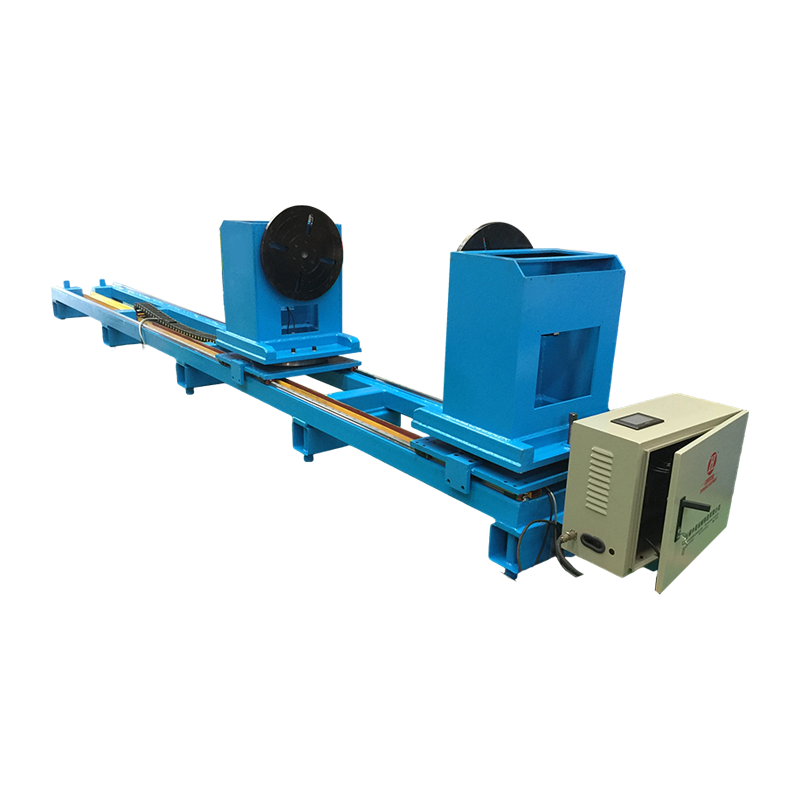
Positioner Pengelasan Kolom Ganda 300KG adalah perlengkapan las dengan strukt...
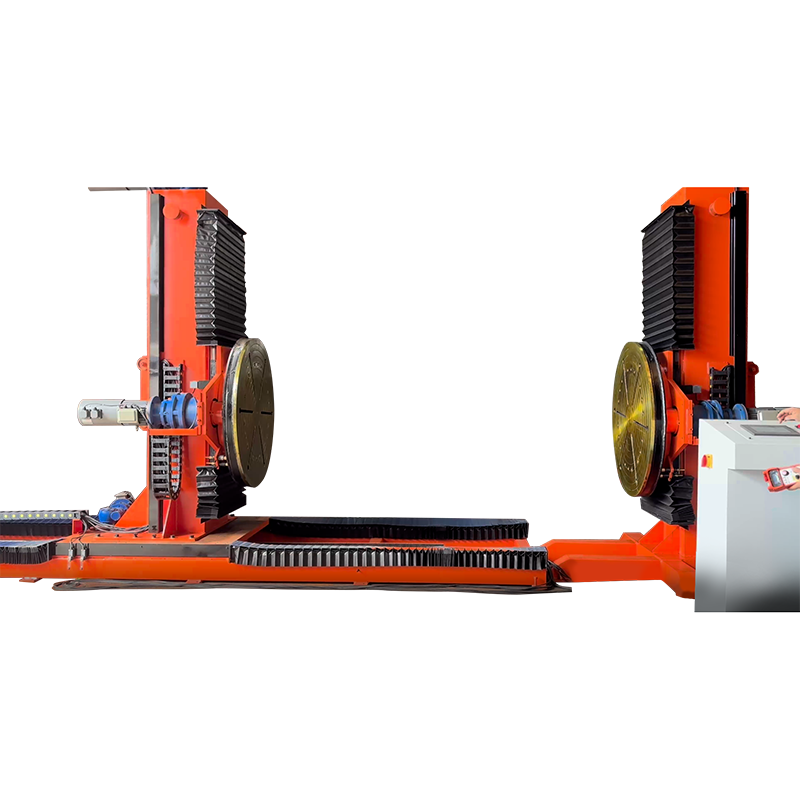
4T Double Column Welding Positioner merupakan alat bantu pengelasan yang dira...
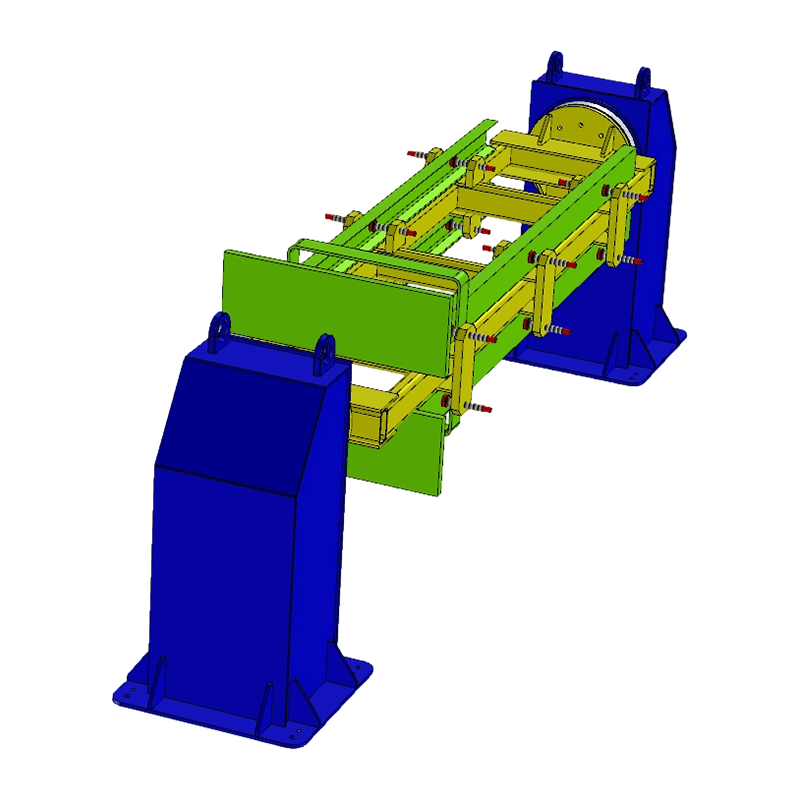
Positioner Pengelasan Kolom Ganda 600KG adalah perangkat penentuan posisi pen...
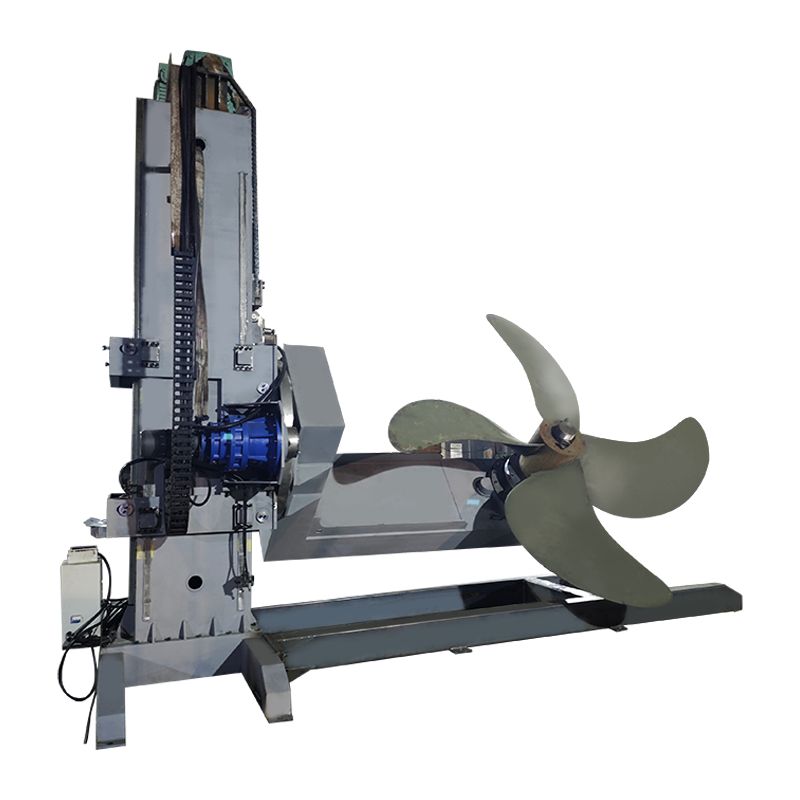
Welding Positioner tipe L 2T adalah perangkat penentuan posisi pengelasan yan...
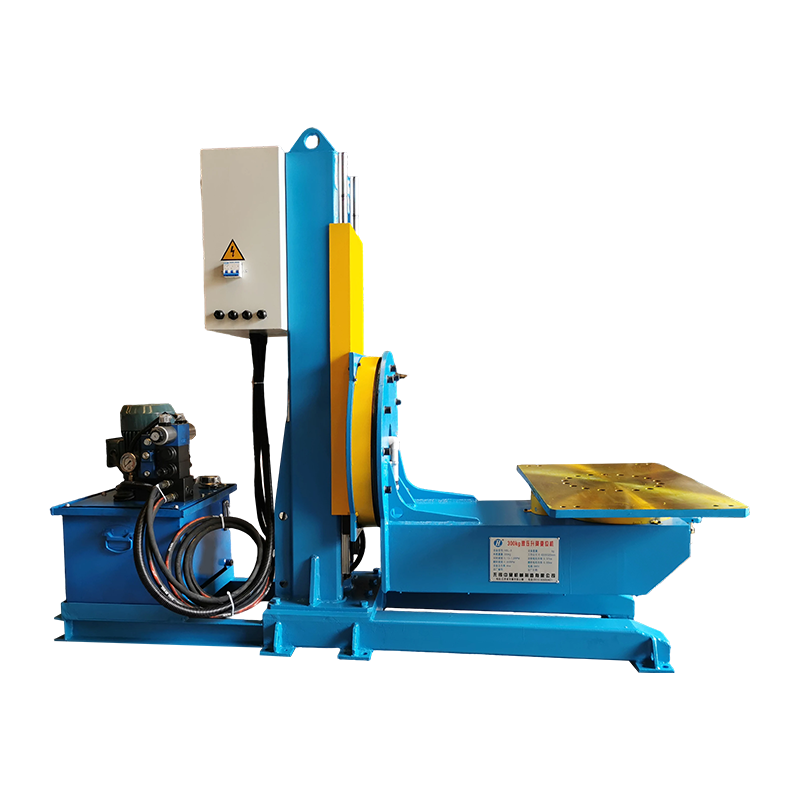
Welding Positioner tipe L 300KG merupakan alat bantu pengelasan dengan desain...
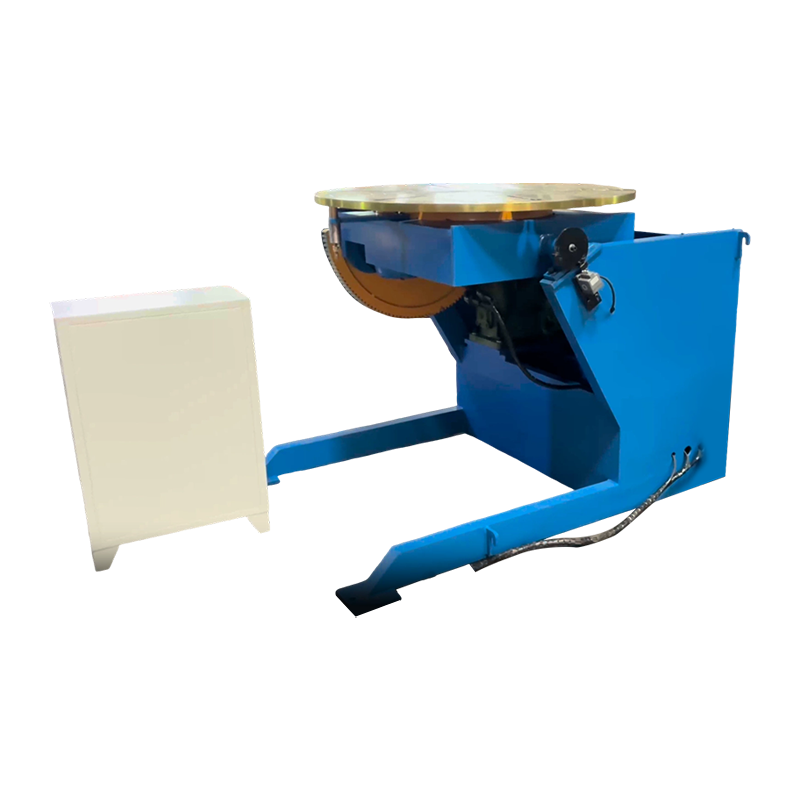
Positioner Pengelasan 1T dengan Kontrol Servo adalah perangkat bantu pengelas...
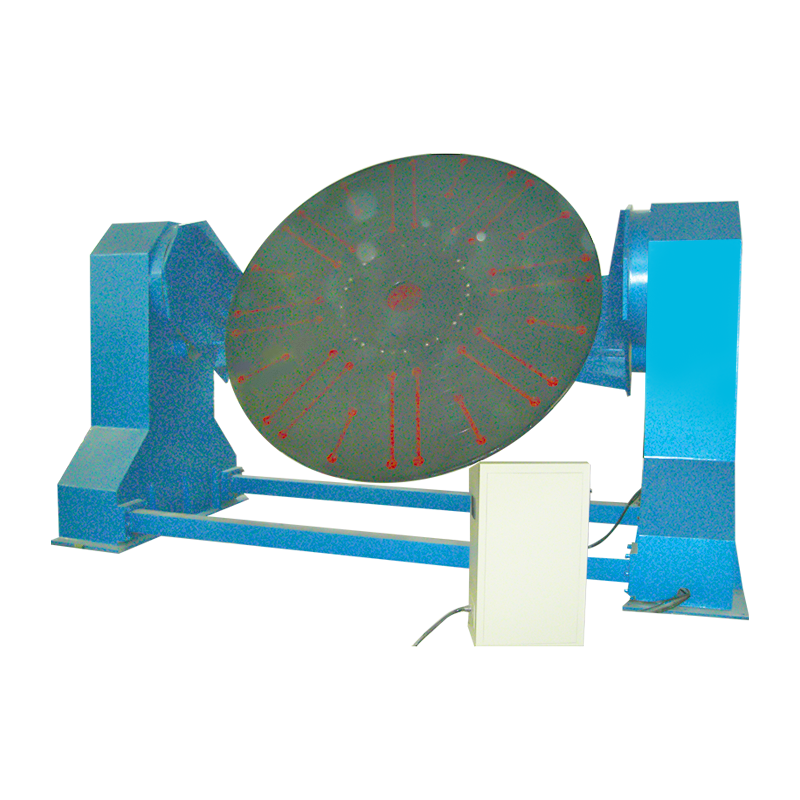
Welding Positioner dengan Kapasitas Pemuatan yang Disesuaikan adalah perangka...
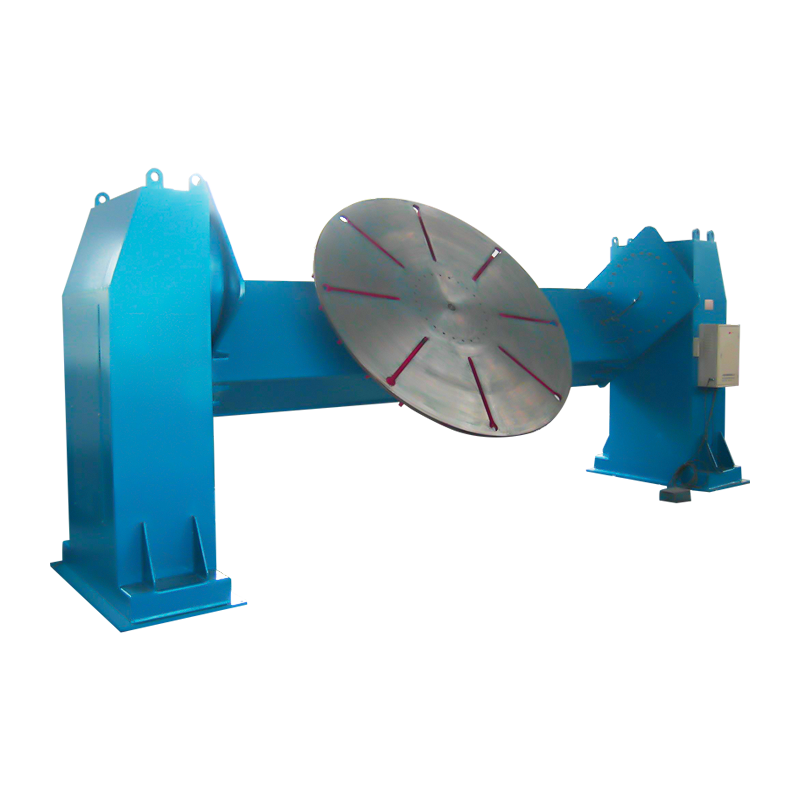
Positioner Pengelasan Kolom Ganda Presisi Tinggi untuk Benda Kerja Khusus ada...
Balok-I adalah bagian baja struktural dengan penampang berbentuk I: dua flensa paralel yang dihubungkan oleh satu jaringan vertikal. Itulah definisi dalam satu baris. Segala sesuatu yang lain dalam uraian kerja — kedalaman, lebar flensa, ketebalan badan dan flensa, kemiringan, panjang dan ...
SELENGKAPNYAJawaban singkatnya: busur plasma adalah pelepasan listrik yang mengalir melalui kolom gas terionisasi dan bukan melalui logam padat. Dibatasi oleh lubang nosel kecil, kolom tersebut menjadi semburan bersuhu sekitar 15.000–30.000 °C — cukup panas untuk melelehkan setiap logam rekayasa — dan...
SELENGKAPNYABacalah sebutan balok dari kiri ke kanan. Surat tersebut memberitahukan Anda keluarga penampang, angka pertama adalah kedalaman nominal dalam inci, dan angka setelah tanda perkalian adalah berat dalam pon per kaki. Misalnya, L10×30 menggambarkan balok berflensa lebar dengan ...
SELENGKAPNYAIn heavy manufacturing industries such as wind tower wind power, storage tanks, and pressure vessels, welding operations face core pain points including large workpiece size, difficult posture adjustment, and high requirements for consistent welding quality. Traditional manual welding relies on operators' experience, leading to low efficiency (single workpiece welding cycle extended by over 30%) and increased weld defect rates due to improper welding angles. As a professional automated welding equipment supplier with 20 years of industry experience, Wuxi WeldNice's Welding Positioner/Welding Turntable is technically positioned with "stepless posture adjustment, advanced structure, and easy operation," serving as a key supporting equipment to address the above pain points and providing stable and reliable automated welding support for various industries.
I. Basic Cognition: Core Definition and Classification of Welding Positioners
| Classification Dimension | Type | Core Features | Application Scenarios | WeldNice Product Advantages |
|---|---|---|---|---|
| Load Capacity | Light-duty (≤500kg) | Compact size, flexible operation | Welding of small parts and precision instruments | Complete functions, suitable for small-batch customized needs |
| Medium-duty (500kg-5t) | Strong stability, wide speed regulation range | Welding of storage tanks and middle sections of pressure vessels | Stepless speed regulation, precise control of welding angles | |
| Heavy-duty (≥5t) | Robust structure, high load-bearing capacity | Welding of wind tower bodies and large equipment housings | Advanced structural design, durability meeting heavy-duty working conditions | |
| Structure Type | Single-axis Positioner | 360° rotation only, simple operation | Circumferential welding of cylindrical workpieces | Easy to operate, low maintenance cost |
| Dual-axis Positioner | Dual-degree-of-freedom adjustment (rotation + tilting) | Welding of complex shaped workpieces and multi-joint workpieces | Comprehensive posture adjustment, improved welding consistency | |
| Driving Method | Manual Positioner | Manual adjustment, low cost | Small workshops and simple workpiece processing | Cost-effective, suitable for start-up enterprises |
| Electric Positioner | Motor-driven, precise and controllable | Automated production lines and mass production | Compatible with robot collaboration, supporting intelligent control |
| Key Indicator | Definition | Industry Standard Requirements (Example) | WeldNice Product Parameters | Application Impact |
|---|---|---|---|---|
| Rotational Accuracy | Position deviation of the workpiece after one full rotation | ≤±0.1mm/m | ≤±0.08mm/m | Smaller deviation ensures higher weld consistency, suitable for high-precision needs such as pressure vessels |
| Speed Regulation Range | Rotational speed range of the workbench | 0.01-10r/min | 0.005-15r/min | Wider range adapts to welding of workpieces with different thicknesses (low speed for thin parts to prevent burn-through, high speed for thick parts to improve efficiency) |
| Load Adaptability | Range of workpiece weight and size that the equipment can stably carry | Rated load ≥1.2 times the actual load | Rated load ≥1.5 times the actual load | Redundant design improves equipment durability and extends service life (WeldNice products have an average service life of over 8 years) |
| Positioning Accuracy | Fixed deviation after posture adjustment | ≤±0.5° | ≤±0.3° | Precise positioning ensures uniform welding positions for multi-joint workpieces |
| Compatibility | Collaborative adaptability with robots and welding machines | Supports mainstream brand communication protocols | Compatible with ABB, KUKA, FANUC and other robots | Adapts to automated production lines, enabling unmanned welding |
| Development Trend | Industry Background | WeldNice Product/Service Matching Points |
|---|---|---|
| Automation and Collaboration | Rising penetration rate of industrial robots, unmanned production lines becoming mainstream | Products are compatible with mainstream robot communication protocols, providing "positioner + robot" one-stop solutions and supporting OEM/ODM customization |
| Customization and Precision | Diversification of workpiece types (special-shaped, extra-large size), general-purpose equipment struggling to meet needs | With 20 years of industry experience, customized positioners can be designed for workpieces in wind power, pressure vessels, and other industries (e.g., heavy-duty dual-axis positioners for wind tower welding) |
| Green and High Efficiency | Tightening environmental policies, enterprises pursuing low-energy consumption and high-efficiency production | Products adopt energy-saving motors, reducing energy consumption by 15% compared to the industry average; optimized structural design reduces equipment operating noise (≤75dB), meeting green factory standards |
Frequently Asked Questions (FAQs)
1. How to select a suitable welding positioner?
Answer: Focus on three core dimensions—① Workpiece parameters (weight, size, shape): Select load type (light/medium/heavy) based on weight, and structure type (single-axis/dual-axis) based on shape; ② Welding requirements (precision, efficiency): Prioritize products with rotational accuracy ≤±0.1mm/m for high-precision needs, and pay attention to speed regulation range and compatibility for mass production; ③ Production scenario (manual/automated): Choose electric positioners supporting robot collaboration for automated production lines. With 20 years of industry experience, WeldNice provides free product selection consulting to recommend suitable products based on your actual needs.
2. What is the maintenance cycle of welding positioners, and what precautions should be taken for daily maintenance?
Answer: It is recommended to perform daily maintenance once a month, mainly inspecting the tightness of clamping devices, lubricating oil levels, and the operation status of the speed regulation system; annual maintenance is recommended once a year, with comprehensive inspection and maintenance conducted by professional after-sales personnel. Daily maintenance precautions: ① Avoid overloading (actual load should not exceed 80% of the rated load); ② Keep the equipment clean to prevent welding slag and dust from entering the transmission system; ③ Regularly replace lubricating oil (use the model specified by the company). Following these maintenance requirements can effectively extend equipment service life (WeldNice products have an average service life of over 8 years).
3. How to ensure equipment stability in high-temperature and dusty heavy welding environments?
Answer: WeldNice's welding positioners are specially designed for harsh industrial environments: core transmission components adopt sealed protective structures to block welding slag and dust (protection level IP54); clamping devices are made of high-temperature-resistant alloy materials, capable of stable operation in -10℃~60℃ environments, suitable for high-temperature and dusty scenarios such as wind tower manufacturing and storage tank wel
Hak cipta 2025 Wuxi WeldNice Heavy Industry Technology Co., Ltd. Semua hak dilindungi Pabrik Peralatan Pemosisi Las Pabrik Grosir Mesin Las Pemosisi



sales@weldnicefactory.com